


The Rise of Collaborative Platforms in Creative Workspaces
In today’s fast-paced digital age, the way creative teams collaborate has significantly evolved. Traditional models of project management are being replaced by innovative platforms that facilitate communication, feedback, and production efficiency. One such platform is Everybody On Deck, which caters specifically to the needs of creative professionals. This article will delve into how this unique tool is transforming workflows in the creative sector, promoting collaboration and enhancing productivity.
Understanding Everybody On Deck
Everybody On Deck is designed to bring teams together in a streamlined, collaborative environment. It offers a comprehensive suite of tools that address various aspects of project management, particularly for the creative industry, where ideas and execution must often work in tandem. The platform emphasizes real-time collaboration, allowing teams to share ideas and assets transparently. This makes it possible for creatives to iterate quickly, ensuring that the best ideas come to fruition.
Key Features of Everybody On Deck
The effectiveness of Everybody On Deck lies in its robust features tailored for creative teams. Some noteworthy functionalities include:
- Real-Time Collaboration: Team members can work on projects simultaneously, allowing for immediate feedback and adjustments.
- Integrated Communication Tools: Messaging and video conferencing capabilities facilitate seamless communication, reducing delays in decision-making.
- File Sharing and Management: Assets can be easily shared and organized within the platform, ensuring that everyone has access to the latest versions.
- Task Management: Assign roles and track progress through a visually intuitive interface that keeps everyone accountable.
- Analytics and Reporting: Monitor team performance metrics to identify areas for improvement and optimize workflows.
Benefits of Using Collaborative Tools like Everybody On Deck
Adopting collaborative platforms like Everybody On Deck not only enhances productivity but also fosters a culture of creativity among team members. Here are some benefits associated with using such tools:
- Improved Communication: With integrated communication tools, misunderstandings are minimized, leading to more coherent project executions.
- Increased Efficiency: By streamlining workflows, teams can focus on what truly matters—creating remarkable content.
- Enhanced Creativity: When team members share ideas freely, brainstorming sessions become more productive, leading to innovative outcomes.
- Greater Flexibility: The platform allows teams to adapt quickly to changes in project direction or client feedback.
- Accessibility: With cloud-based solutions, teams can collaborate from anywhere, breaking geographical barriers that traditional methods impose.
Challenges Facing Collaborative Production
While platforms like Everybody On Deck offer numerous advantages, there are challenges that teams must navigate when transitioning to a collaborative model. Some common issues include the following:
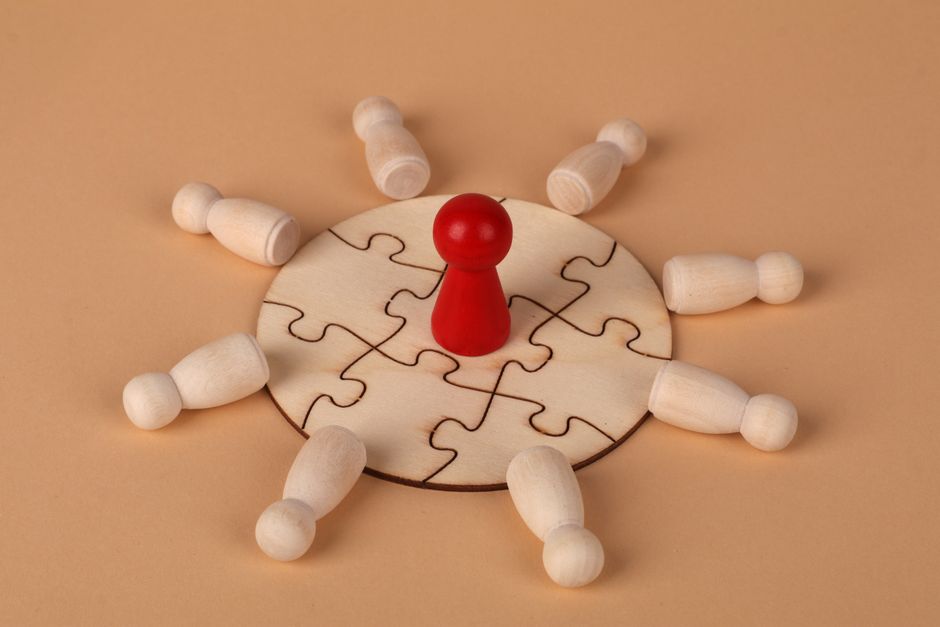
- Resistance to Change: Team members accustomed to traditional workflows may hesitate to adopt new technologies.
- Overwhelming Tools: The abundance of features can overwhelm users if not implemented with adequate training and support.
- Security Concerns: Data protection is crucial in collaborative environments, and organizations must ensure they are utilizing secure platforms.
Despite these challenges, the shift towards collaborative production is gaining momentum. Creative teams who successfully embrace collaboration often find themselves ahead in both innovation and efficiency. Emphasizing a culture of openness and adaptability will allow organizations to fully leverage the benefits of platforms like everybodyondeck-prod.com.
The Future of Work: Embracing Collaboration for Success
The future landscape of creative industries will likely be defined by collaboration and enhanced connectivity. As projects become increasingly complex and multifaceted, tools that promote teamwork will become essential. Everybody On Deck serves as a prime example of how creative production can be revolutionized through dedicated collaborative tools. As companies continue to prioritize creativity and innovation, the adoption of such platforms is not merely beneficial but necessary for success in today’s competitive market.
In conclusion, evaluating the future of collaborative production through platforms like Everybody On Deck reveals promising insights into how creativity can flourish within structured frameworks. By embracing these tools and adapting to new collaborative methods, creative teams can maximize their potential and drive extraordinary results in their projects.
Exploring the Integration of AI in Collaborative Platforms
As technology evolves, artificial intelligence is becoming an integral part of collaborative platforms like Everybody On Deck. AI can streamline project management by automating repetitive tasks, such as scheduling meetings, tracking progress, and even generating preliminary drafts of creative content. By leveraging machine learning algorithms, these platforms can analyze user behavior and preferences, providing tailored recommendations that cater to the unique needs of each collaborative team. This not only enhances productivity but also allows teams to focus on more complex tasks that require human creativity and judgment.
Additionally, AI-driven analytics can help teams make data-informed decisions, optimizing workflows and resource allocation. By assessing the performance of projects in real-time, teams can pivot strategies quickly, ensuring that creative endeavors are both effective and efficient. As these technologies continue to mature, their integration into collaborative tools will likely become a standard rather than an exception, further transforming how creative teams operate.
The Role of Diversity in Collaborative Creative Processes
Diversity within teams has proven to be a catalyst for innovative ideas and solutions. Collaborative platforms, like Everybody On Deck, facilitate the convergence of diverse perspectives, which is crucial for fostering creativity. Teams composed of individuals from different backgrounds bring varied experiences, viewpoints, and skill sets to the table. This rich tapestry of ideas can lead to groundbreaking concepts that might not have emerged in a more homogenous setting.
Furthermore, collaborative tools provide mechanisms for all voices to be heard, democratizing the creative process. Features such as brainstorming sessions, anonymous feedback options, and real-time collaboration ensure that contributions are evaluated based on their merit rather than their source. As organizations seek to enhance their creative outputs, prioritizing diversity not only within teams but also in their collaborative approaches will be essential for sustaining a competitive edge.